The Whisky Regions of Scotland, Sorted (Mostly) by Geography
Scotland drew borders around its whisky long before anyone drew up a marketing plan. The Scotch Whisky Regulations set out five recognised regions, and each has its own quirks of water, weather and wood. None of it guarantees a flavour. All of it is worth knowing before you read a label with any confidence.
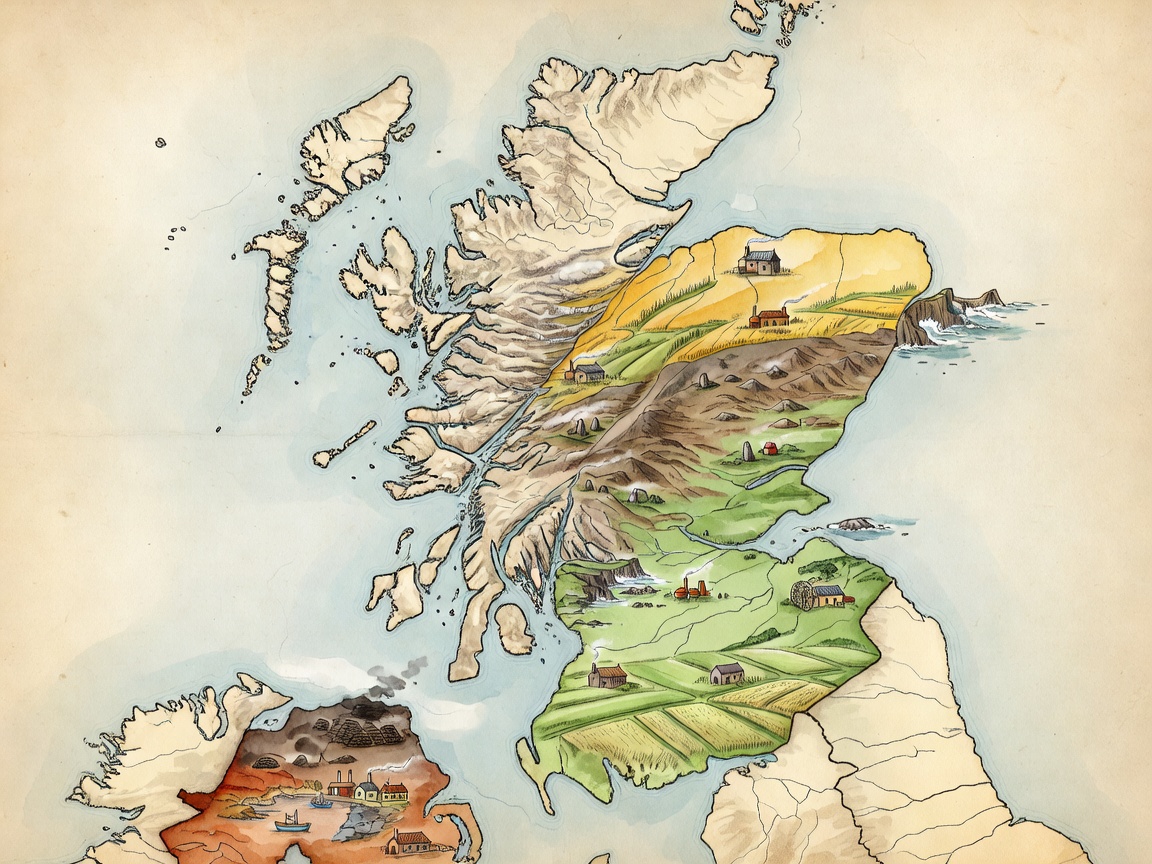
Five regions, one country, no shortage of opinions
Each entry below covers a distinct part of the country's whisky map: the geography that shaped it, the distilleries that built its reputation, and the maturation habits that separate one region's house style from another's — insofar as a region can be said to have one.
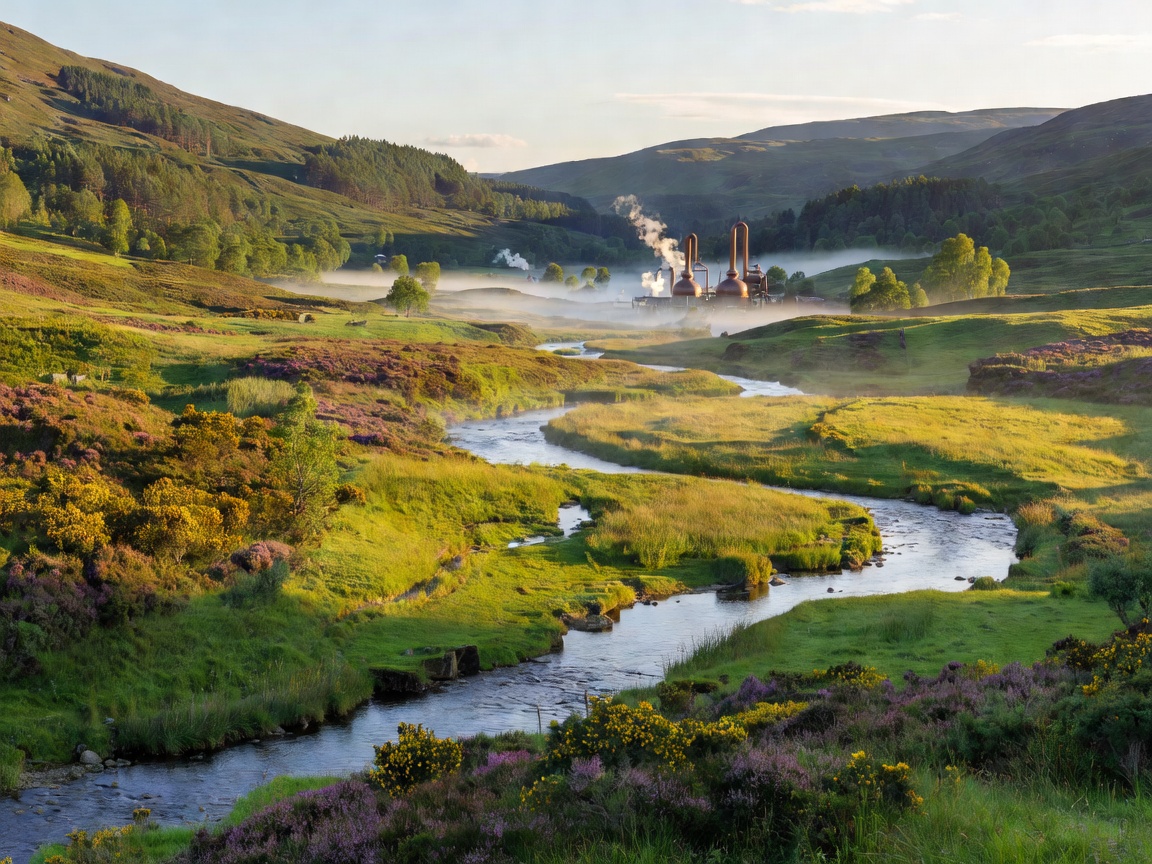
Speyside
The Spey's tributaries feed the country's densest cluster of distilleries, among them Glenfiddich, The Macallan and Glenlivet.
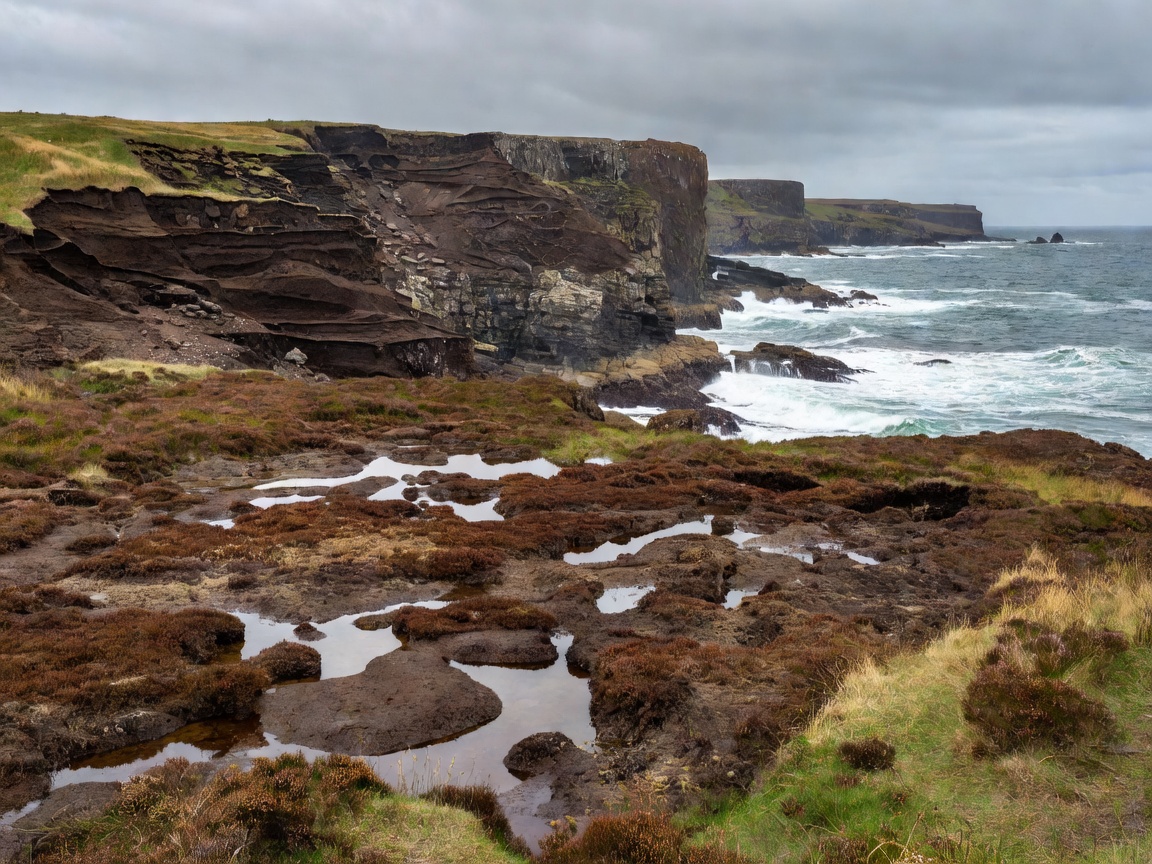
Islay
Peat smoke and shoreline warehouses run from Laphroaig's iodine bite to Bruichladdich's lighter, largely unpeated output.
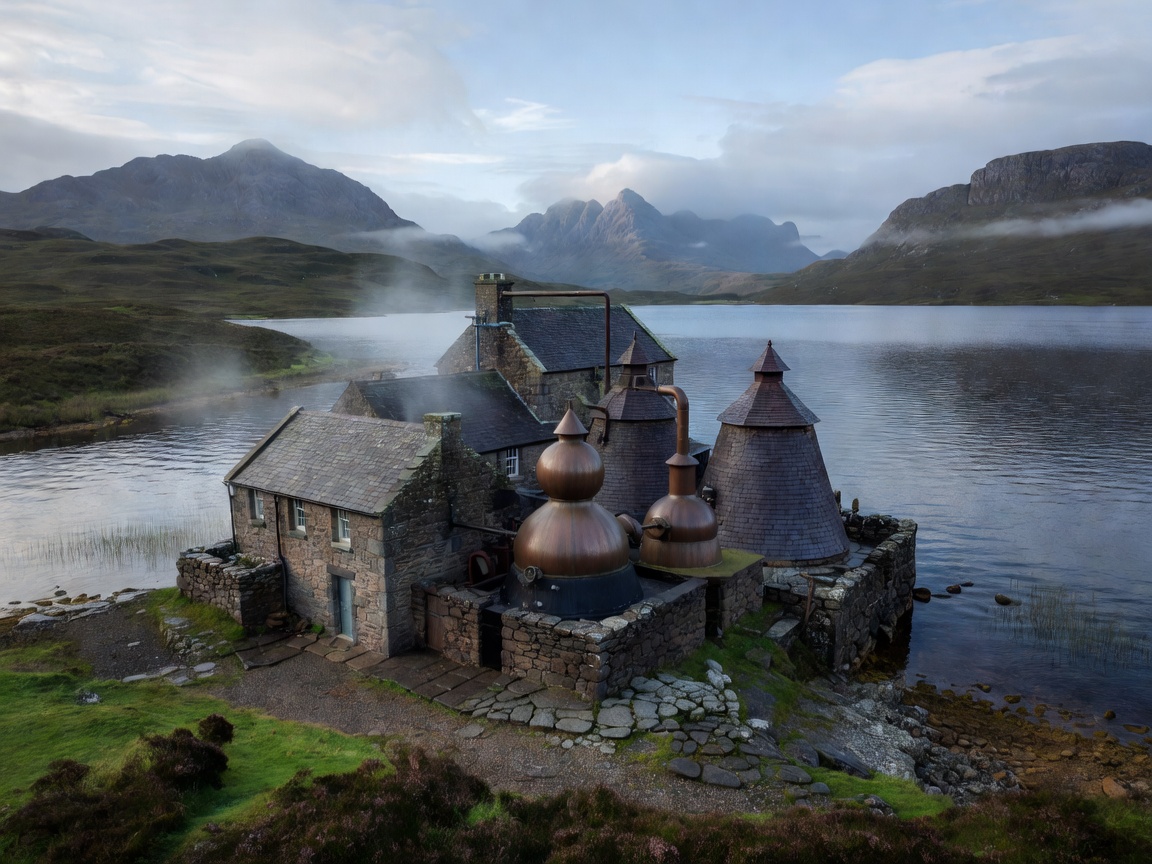
Highlands
From Dalmore on the Cromarty Firth to Old Pulteney in Wick — too large a region to carry just one personality.
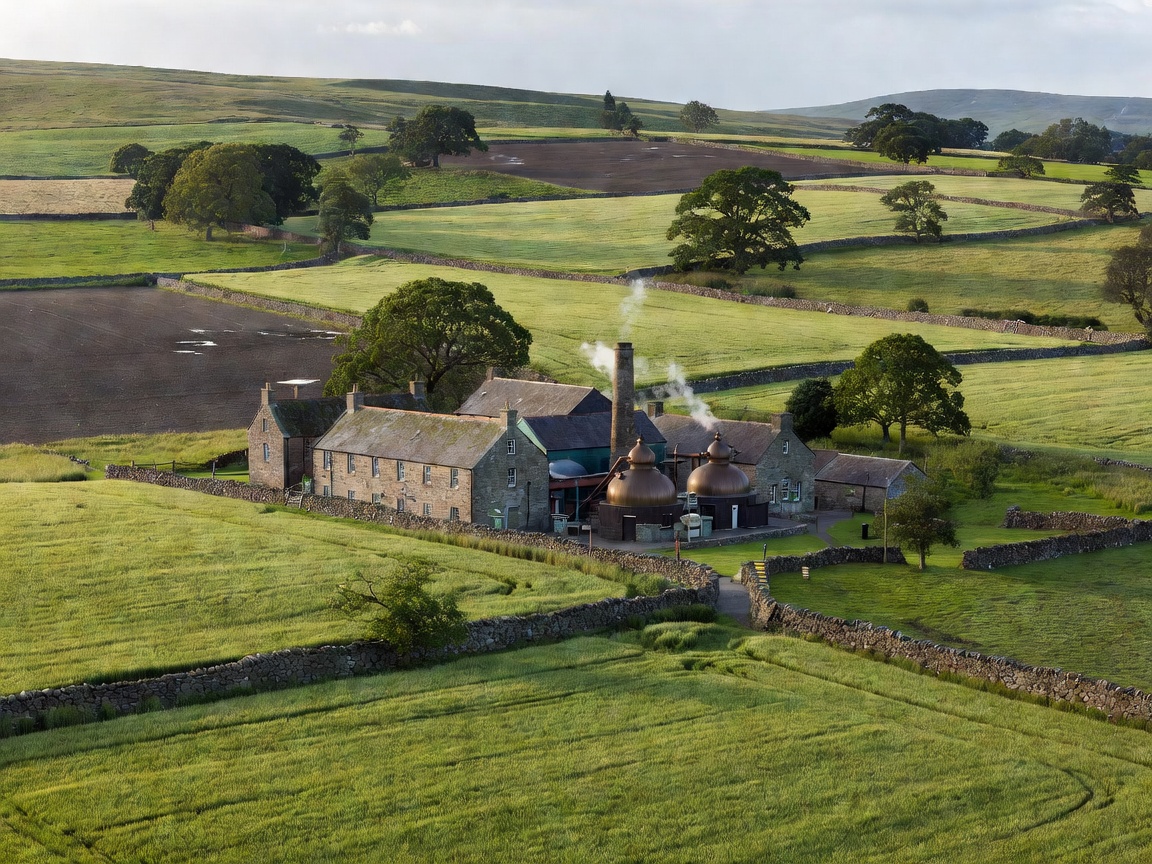
Lowlands
Auchentoshan's triple distillation and a history of feeding the blending houses once French brandy supply faltered.
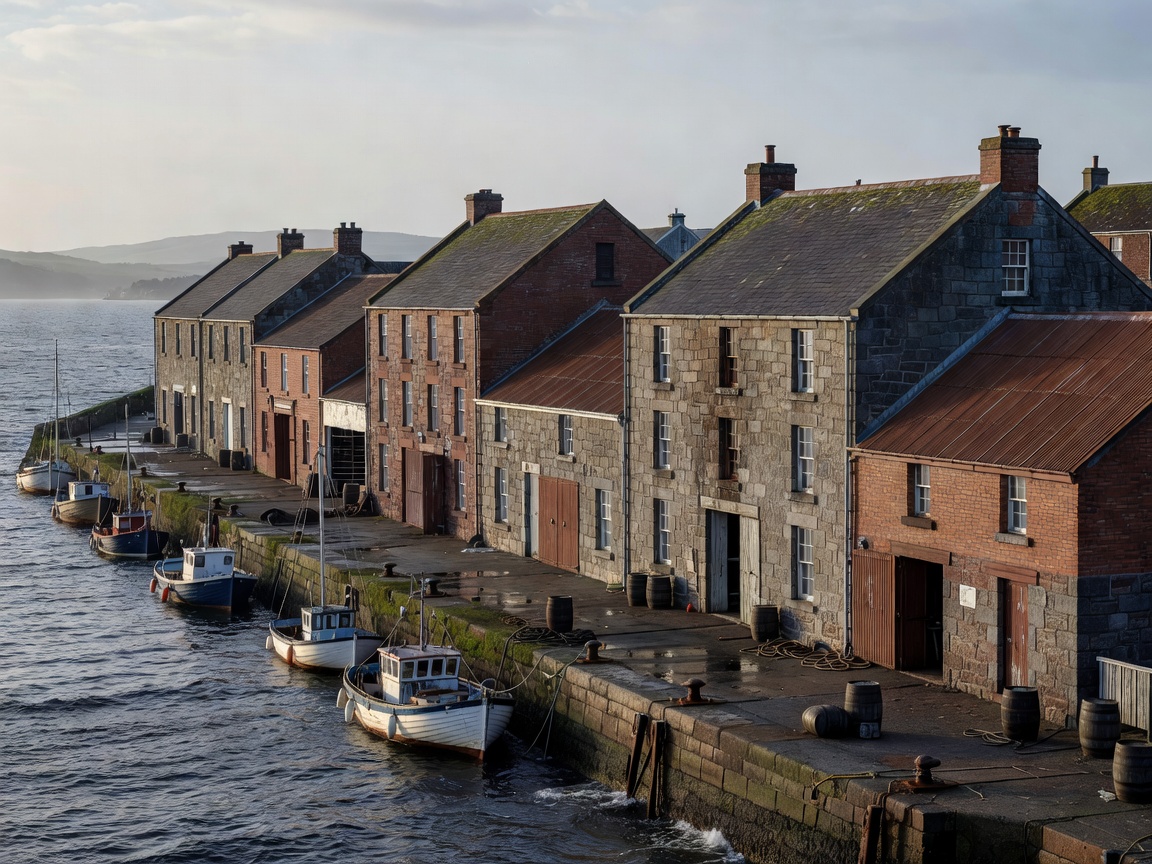
Campbeltown
Once home to more than thirty distilleries on the Kintyre peninsula; Springbank, Glen Scotia and Glengyle carry on.
What actually happens before the cask
Regional character gets most of the credit, but a lot of the work happens earlier: in the malting, the mash, the fermentation and the shape of the still. The Scotch Whisky Regulations 2009 set a floor under all of it — minimum maturation, minimum strength, Scotland or nowhere — and everything a distillery does above that floor is where regional habit actually shows up.
None of this tells you what's in the glass. It tells you what's legally allowed to call itself Scotch, which is a lower bar than most bottles clear by a wide margin. The five region pages that follow go into what actually separates them — water, peat, still shape and the sherry-versus-bourbon cask argument that has occupied distillers for the best part of two centuries.