Islay
A small island with an outsized reputation for smoke, built on a fuel shortage its distillers turned into a signature.
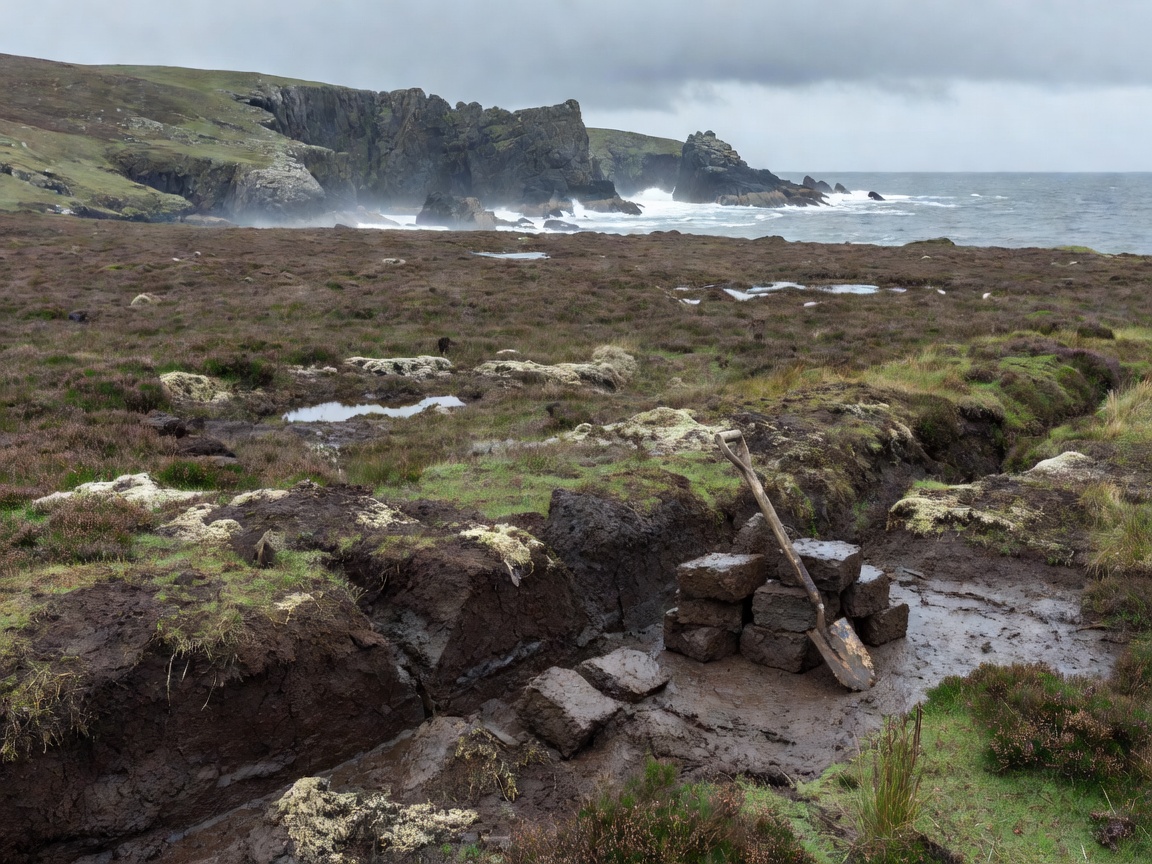
An island that runs on its own fuel
Islay sits off Scotland's southwest coast, and its whisky identity is inseparable from a practical problem: coal was expensive to ship there, but peat was sitting in the ground. Barley was traditionally dried over peat-fired kilns, and the smoke from that peat carries phenolic compounds into the malt, which survive fermentation and distillation to show up as the smoky, medicinal character the island is known for. That's a fuel choice that became a flavour signature, not a flavour choice that happened to need a fuel.
One island, several dialects
It's a mistake to treat "Islay whisky" as a single style. Laphroaig, Ardbeg and Lagavulin, clustered along the island's south coast, are associated with some of the heaviest peating in Scotch production. Further round the coast, Bowmore sits between the two extremes, while Bruichladdich has built part of its range around unpeated or very lightly peated malt, proving that a distillery can be on Islay without being defined by smoke. Bunnahabhain has likewise released unpeated expressions alongside peated ones. Kilchoman, a newer arrival on the island relative to the others, mills, mashes, ferments, distils and matures barley on a single farm site and has revived on-site floor malting for part of its production — a practice most Scotch distilleries abandoned decades ago in favour of buying malt from commercial maltsters.
Peat is measured, not guessed
Peating level is expressed in parts per million of phenols, measured in the malted barley before distillation — a figure that describes the raw material, not a promise about the finished dram, since fermentation, distillation cuts and cask maturation all soften or reshape how that smoke reads once it's in the glass. A label stating a phenol figure is describing the malt specification, and two whiskies malted to a similar level can still taste noticeably different by the time they're bottled.
Warehouses by the water
Several Islay distilleries mature at least some stock in warehouses close to the shoreline, and there's a long-standing belief among distillers that proximity to the sea — through temperature, humidity, and salt-laden air working on the cask over years — contributes to the maritime, briny notes often associated with island whisky. The exact mechanism is debated rather than settled, and it sits alongside peat, rather than replacing it, as part of what people mean when they describe a whisky as tasting "of the island."
Reading an Islay label
Look for whether a bottle states a phenol level in ppm, which signals the producer wants peating discussed directly; its absence doesn't mean a whisky is unpeated, only that the distiller isn't leading with the number. "Islay single malt" is a legitimate regional description under the Scotch Whisky Regulations 2009, but given the range from Bruichladdich's unpeated bottlings to Ardbeg's heavily peated core range, the region name alone tells you less than the distillery name does.
If a stranger tells you all Islay whisky tastes like a campfire in a first-aid kit, they've met one distillery and assumed it was the whole island.