Speyside
A river valley with more distilleries per mile than any other stretch of Scotland, and a reputation for restraint that most of its own bottlings quietly ignore.
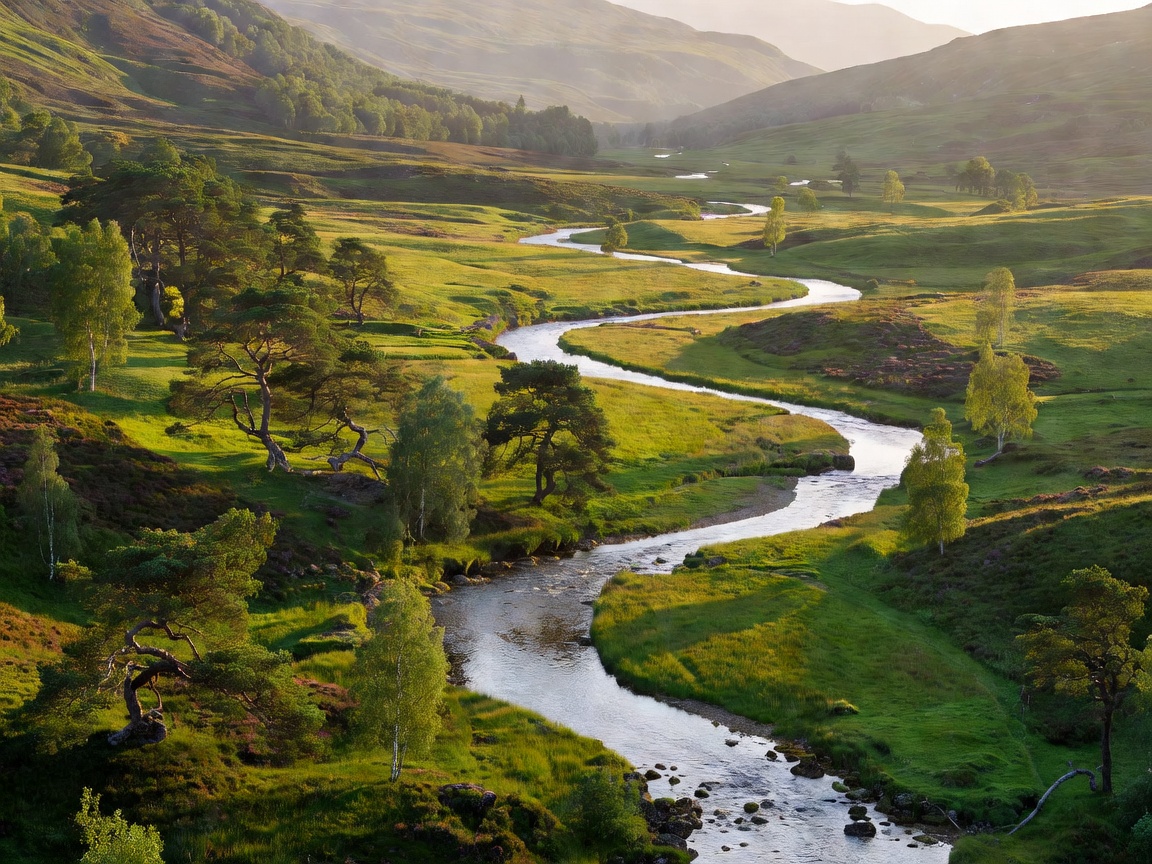
A river with a lot of admirers
Speyside takes its name from the River Spey, which along with its tributaries — the Fiddich and the Livet among them — cuts through Moray and drains a landscape of granite hills and barley farmland. The region is carved out of the wider Highland boundary under the Scotch Whisky Regulations 2009 as one of the five recognised whisky regions, not because it's geographically separate from the Highlands, but because no other stretch of the country holds so many working distilleries in so small an area. Glenfiddich, The Macallan, Glenlivet, Aberlour, Cardhu and Balvenie all sit within a fairly short drive of one another, which makes Speyside less a distinct territory and more a very concentrated neighbourhood.
From smuggler's glen to industry heartland
Before 1823, a great deal of Speyside's whisky was made without licence, tucked into glens where the excise men were reluctant to follow. The Excise Act of 1823 changed the economics of legal distilling enough that illicit stills began converting to licensed ones, and Glenlivet was among the first names to make that jump formally. The glens that had hidden the stills became, within a generation or two, the address on the label. That history is why so many Speyside distillery names still read like place names rather than brand names — because that's exactly what they started as.
What shapes the spirit here
Compared with Islay, peat is the exception rather than the rule on Speyside; most distilleries use unpeated or lightly peated malt, which leaves more room for fermentation and cask to do the talking. Longer fermentation times at some sites encourage fruitier, more estery new-make spirit, and still shapes vary enough across the region that no single silhouette defines it — tall, narrow necks at some distilleries favour a lighter, more delicate spirit, while shorter, fatter stills elsewhere produce something weightier. The common thread isn't the equipment; it's an emphasis on fruit-forward character over smoke.
Maturation and cask policy
Speyside is where the sherry-cask argument gets its strongest airing. Distilleries such as The Macallan and Aberlour have built long-standing reputations around European oak casks seasoned with oloroso sherry, which lend dried fruit, spice and a deep colour to the spirit. Others, including much of Glenfiddich's and Glenlivet's core ranges, lean more heavily on ex-bourbon American oak, which tends to bring vanilla, honey and a lighter touch. Most Speyside single malts sit somewhere between the two, vatted from a mix of first-fill and refill casks of both kinds — first-fill casks having held their previous spirit only once and so transferring more flavour, refill casks having been used before and acting more gently.
Reading a Speyside label
An age statement on a Scotch bottle refers, by regulation, to the youngest whisky in that bottle — a 12-year-old may contain older whisky blended in, but nothing younger. "Single malt" means the whisky was distilled entirely at one distillery from malted barley in pot stills; "single cask" means it comes from one specific cask rather than a vatting of several; "cask strength" means it hasn't been diluted down to standard bottling strength before release. The absence of an age statement doesn't indicate poor quality — it usually means the distiller is prioritising a consistent flavour profile over a consistent age, which has become more common as older stock has grown scarcer across the industry.
Whatever a bottle's marketing claims about tradition, the Spey itself hasn't moved, and neither has the basic split at the heart of the region: sherry cask against bourbon cask, fought out one vatting at a time.